Cash Registers
Offers updated on: 19/12/2025. Paid and non-exhaustive ads.












Comprehensive Buying Guide for Cash Registers in the UK
Understanding Cash Registers: A Basic Overview
Cash registers are essential tools for businesses, facilitating transactions and managing sales efficiently. Historically, the cash register evolved from a simple mechanical device used to store cash and provide receipts to sophisticated electronic systems that integrate various functionalities. Today, cash registers are integral to retail, hospitality, and service industries, providing not only payment processing but also inventory management, sales tracking, and customer engagement features. As businesses adapt to a rapidly changing retail landscape, understanding the role of cash registers is crucial for operational success.
The evolution of cash registers has mirrored technological advancements. Early models were purely mechanical, requiring manual entry and offering limited functionality. With the introduction of electronic cash registers (ECRs), businesses gained the ability to automate calculations and generate reports. Now, with the rise of cloud-based systems and mobile point-of-sale (mPOS) solutions, businesses can operate more flexibly and efficiently than ever before. This guide will help you navigate the options available, ensuring you choose the right cash register for your business needs.
Types of Cash Registers: Choosing the Right Fit for Your Business
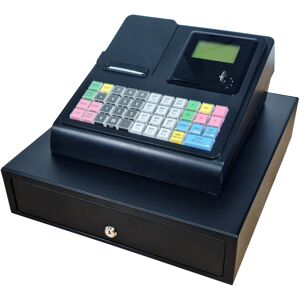
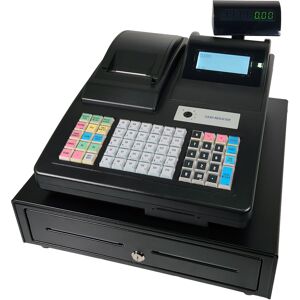
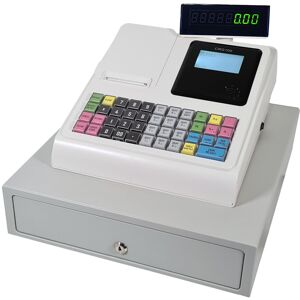
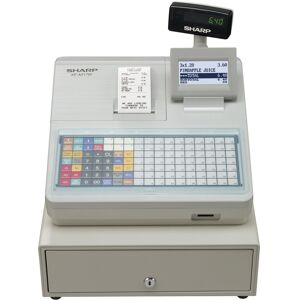
When selecting a cash register, it’s essential to consider the type that best suits your business model. Fixed POS cash registers are traditional systems often found in retail stores and restaurants. These devices typically come with a built-in screen, cash drawer, and receipt printer. Their reliability and extensive features make them ideal for high-volume sales environments. For example, a popular choice in this category is the Casio SE-G1, known for its user-friendly interface and robust functionality.
On the other hand, mobile POS (mPOS) systems have gained traction among businesses that require portability, such as food trucks and pop-up shops. These systems allow transactions to be processed anywhere, using tablets or smartphones paired with card readers. The Square Reader is a prime example, offering a sleek design and seamless integration with mobile devices, making it perfect for on-the-go sales.
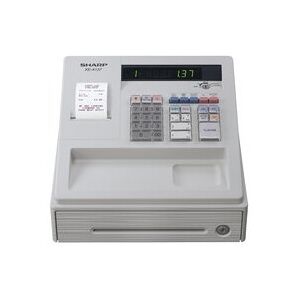
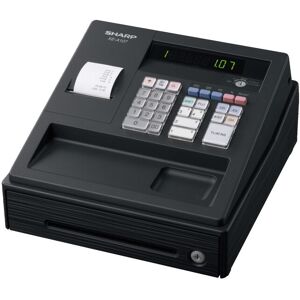
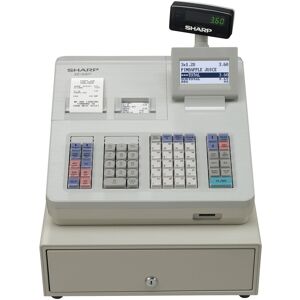
Electronic cash registers are a step up from traditional models, offering basic functionalities like sales tracking and reporting. They are suitable for small businesses that need essential features without the complexity of advanced systems. The Sharp XE-A207 is a great option, providing an easy-to-use interface and solid performance for smaller retail operations.
Cloud-based cash registers represent the future of transaction processing, allowing businesses to access their systems remotely. This flexibility is particularly beneficial for multi-location businesses that need real-time data across various sites. The Vend POS system exemplifies this trend, offering powerful inventory management tools and integration with other business software.
Assessing Your Business Needs: Tailoring Your Selection
Before making a purchase, it’s vital to evaluate your specific business needs. Consider the size of your business and the complexity of your inventory. A small café may require a straightforward cash register with basic reporting features, while a larger retail store might benefit from a more advanced system that offers detailed analytics and inventory management capabilities.
Operational demands also play a significant role in your selection process. For instance, if your business experiences peak hours with high transaction volumes, investing in a robust fixed POS system may be necessary to ensure smooth operations. Conversely, if your business model involves frequent changes in location or product offerings, a mobile POS system could provide the flexibility you need.
Common mistakes include underestimating the importance of scalability. As your business grows, your cash register should be able to adapt to increased transaction volumes and more complex inventory needs. It’s essential to choose a system that can grow with you, preventing the need for a complete overhaul down the line.
Key Features to Consider: Maximizing Functionality
When selecting a cash register, certain features can significantly enhance its functionality. Inventory management is one such feature, allowing businesses to track stock levels and sales trends efficiently. This capability is crucial for maintaining optimal inventory and reducing wastage. Systems like Lightspeed POS offer advanced inventory management tools that provide insights into best-selling products and stock turnover rates.
Sales reporting is another critical feature. Detailed analytics can help business owners make informed decisions about promotions, staffing, and inventory purchases. A cash register that provides customizable reports can offer valuable insights into sales patterns, enabling businesses to strategize effectively. The Clover POS system, for example, is renowned for its robust reporting features that help businesses analyze performance over time.
Customer relationship management (CRM) capabilities can further enhance a cash register’s value. Features that allow businesses to collect customer data, track purchasing behavior, and manage loyalty programs can lead to improved customer engagement and retention. Systems like Shopify POS integrate CRM features seamlessly, making it easier to build lasting customer relationships.
Lastly, a user-friendly interface is paramount. A system that is easy to navigate reduces training time for staff and enhances operational efficiency. Look for cash registers with intuitive designs and touch-screen interfaces, which can significantly improve the user experience.
Hardware Requirements: Essential Components for Your System
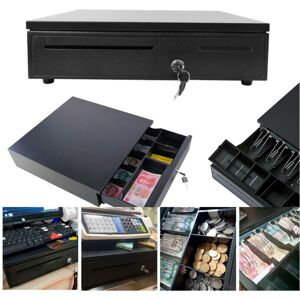
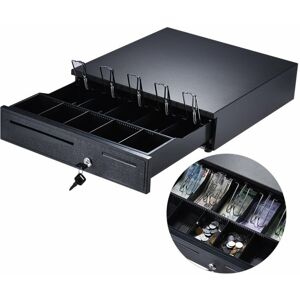
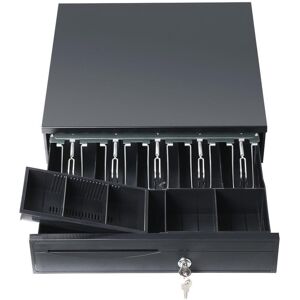
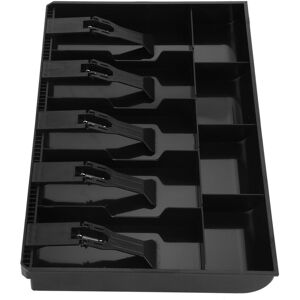
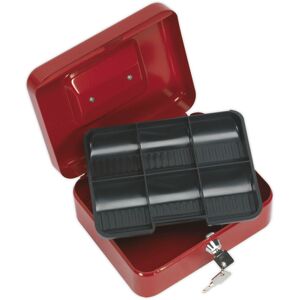
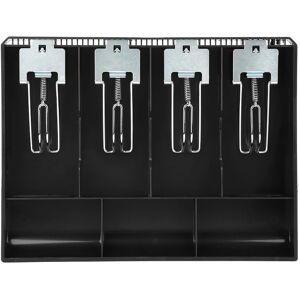
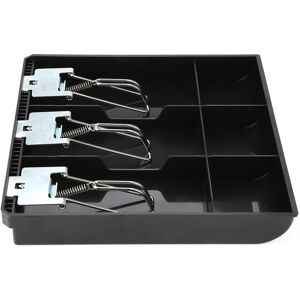
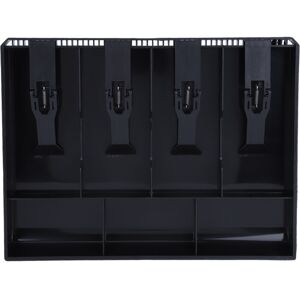
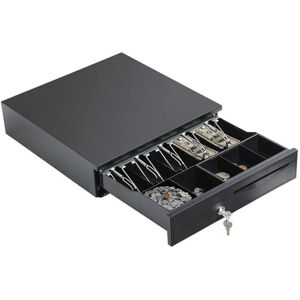
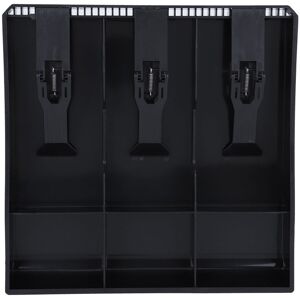
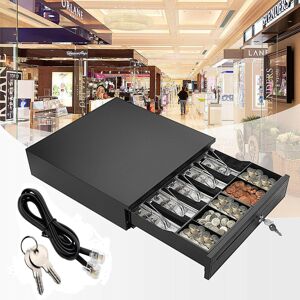
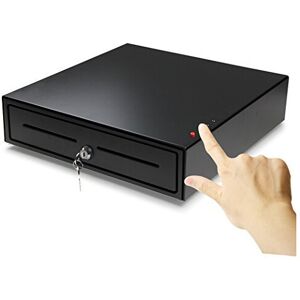
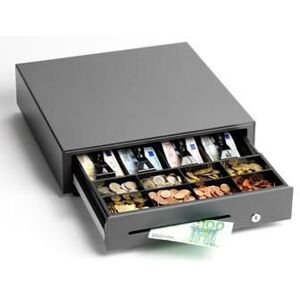
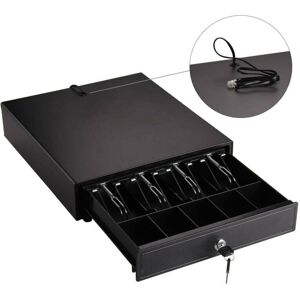
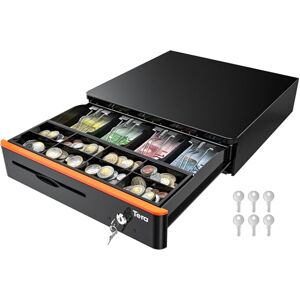
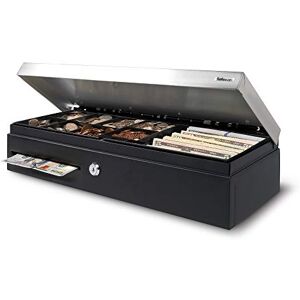
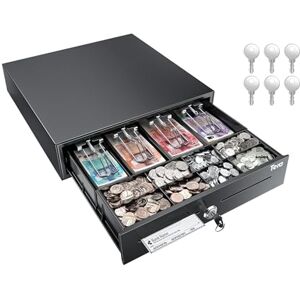
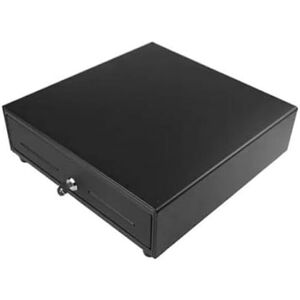
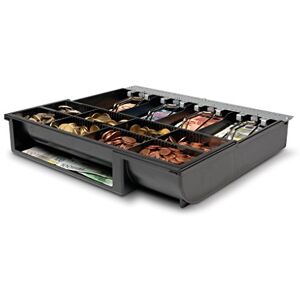
In addition to the cash register itself, several hardware components are necessary to create a fully functional system. Barcode scanners are essential for quick and accurate transaction processing, while receipt printers provide customers with proof of purchase. A reliable cash drawer is also crucial for securely storing cash.
When selecting hardware, consider durability and compatibility with your chosen software. For example, the Epson TM-T20II receipt printer is known for its reliability and fast printing speed, making it a popular choice among retailers. Additionally, ensure that your barcode scanner can easily integrate with your cash register software to streamline operations.
Investing in high-quality hardware is essential for minimizing downtime and ensuring a smooth customer experience. Cheap or unreliable components can lead to operational hiccups, affecting your business’s efficiency and customer satisfaction.
Budgeting for Your Cash Register: Understanding Costs
Understanding the costs involved in purchasing a cash register is crucial for effective budgeting. The initial investment can vary significantly depending on the type and features of the system you choose. Fixed POS systems tend to have a higher upfront cost due to their comprehensive features, while electronic and mobile systems may be more budget-friendly.
In addition to the initial purchase price, consider ongoing costs such as subscription fees for cloud-based systems, maintenance fees, and transaction fees. For example, many cloud-based systems charge a monthly fee based on the number of users or transactions, which can add up over time. It’s essential to factor these costs into your budget to avoid unexpected expenses.
Comparing options is vital to ensure you’re getting the best value for your investment. Take the time to evaluate different products and their features, weighing the benefits against the costs to find the right balance for your business.
Cloud-Based vs. On-Premise Systems: Making the Right Choice
When choosing a cash register, you’ll need to decide between cloud-based and on-premise systems. Cloud-based systems offer flexibility and remote access, allowing you to manage your business from anywhere with an internet connection. This is particularly beneficial for multi-location businesses that require real-time data across different sites. Systems like Square and Vend provide cloud-based solutions that are easy to set up and use.
On the other hand, on-premise systems offer local control and may be more secure, as sensitive data is stored on-site rather than in the cloud. For businesses that prioritize data security or have limited internet access, on-premise systems might be the better choice. However, they typically require a higher upfront investment and ongoing maintenance.
Ultimately, the decision should be based on your business model, operational needs, and preferences. Consider factors such as data security, access to customer support, and the scalability of the system when making your choice.
Vendor Support and Scalability: Ensuring Future Growth
Selecting a vendor that offers reliable customer support is crucial for the smooth operation of your cash register system. Look for companies that provide comprehensive support options, including phone, email, and live chat. Quick and responsive support can save you time and money in case of technical issues or system failures.
Scalability is another essential factor to consider. As your business grows, your cash register system should be able to adapt to increased transaction volumes and more complex inventory needs. Choose a vendor that offers scalable solutions, allowing you to upgrade your system or add features as needed without significant disruption to your operations.
A well-supported and scalable cash register system can enhance your business’s efficiency and ensure that you’re well-equipped to handle future growth.
Security Features: Protecting Your Business and Customers
In today’s digital landscape, security is paramount. Look for cash register systems that incorporate essential security measures, such as end-to-end encryption and PCI compliance. These features help protect customer data and maintain trust, which is vital for any business handling sensitive payment information.
Additionally, consider systems that offer user access controls, allowing you to restrict access to sensitive information based on employee roles. This can help prevent unauthorized access and protect your business from potential fraud.
By prioritizing security features in your cash register system, you can safeguard your business and your customers, ensuring a trustworthy transaction environment.
Testing Usability: Ensuring a Smooth Operation
Before finalizing your cash register purchase, it’s advisable to test the usability of the system. Request demos or trials from vendors to evaluate user interfaces and ease of operation. A system that is intuitive and easy to navigate can significantly impact staff efficiency and customer satisfaction.
During the testing phase, pay attention to how quickly staff can learn to use the system and how easily they can process transactions. A smooth operation is critical, especially during peak hours when efficiency is paramount.
By prioritizing usability, you can ensure that your cash register system will enhance your business operations rather than hinder them.
Comparative Analysis: Reviewing and Finalizing Your Options
Once you’ve gathered information on various cash register systems, it’s time to conduct a comparative analysis. Create a structured approach to evaluate your shortlisted options based on features, pricing, and vendor support. Consider using a comparison chart to visualize the differences and similarities among the systems.
Take into account the specific needs of your business and how each option aligns with those requirements. This structured evaluation will help you make an informed final decision, ensuring that you choose a cash register that meets your operational demands and budget.
Customer Reviews and Recommendations: Gaining Insights from Others
Reading customer reviews and seeking recommendations from peers in similar industries can provide valuable insights into the performance and reliability of different cash register systems. Look for reviews that highlight real-world experiences, both positive and negative, to gain a balanced perspective.
Engaging with industry forums or social media groups can also offer insights into which systems are favored by businesses like yours. By leveraging the experiences of others, you can make a more informed purchasing decision and choose a cash register that meets your needs.
Kelkoo
Professionnals
Due to technical constraints, Kelkoo cannot guarantee the complete accuracy, nor the completeness of the information provided by the merchants. As a result, and due to the nature of Kelkoo's activities, in the event of discrepancies between the information displayed on the Kelkoo website or ads and the one displayed on the merchant's website, the latter will prevail. Prices shown are including all fees. - Learn more
 company